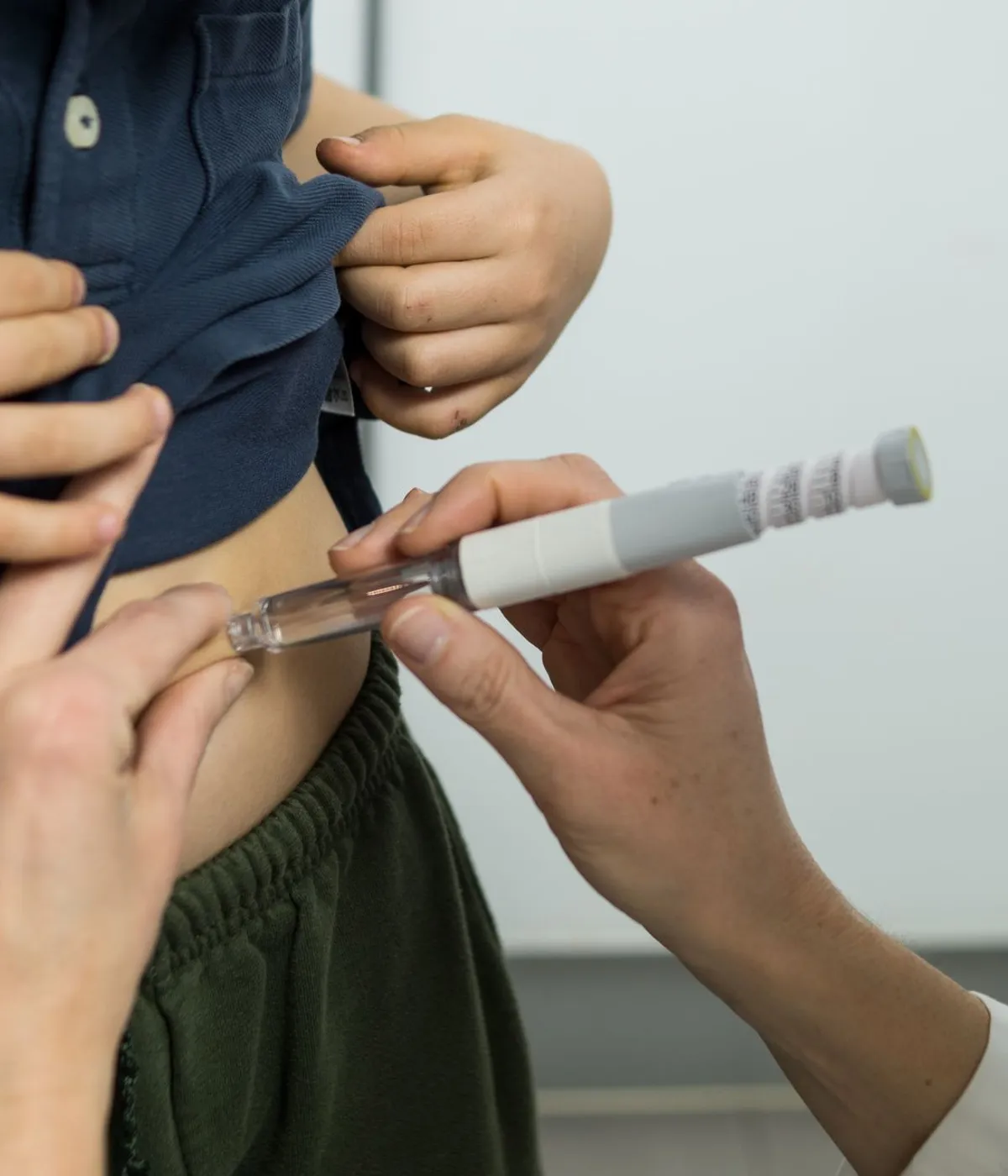
A peptide used to support recovery of muscles, tendons, ligaments, joints, and connective tissue.
Explore BPC-157Physician-Guided Peptide Therapy for Performance, Recovery & Longevity
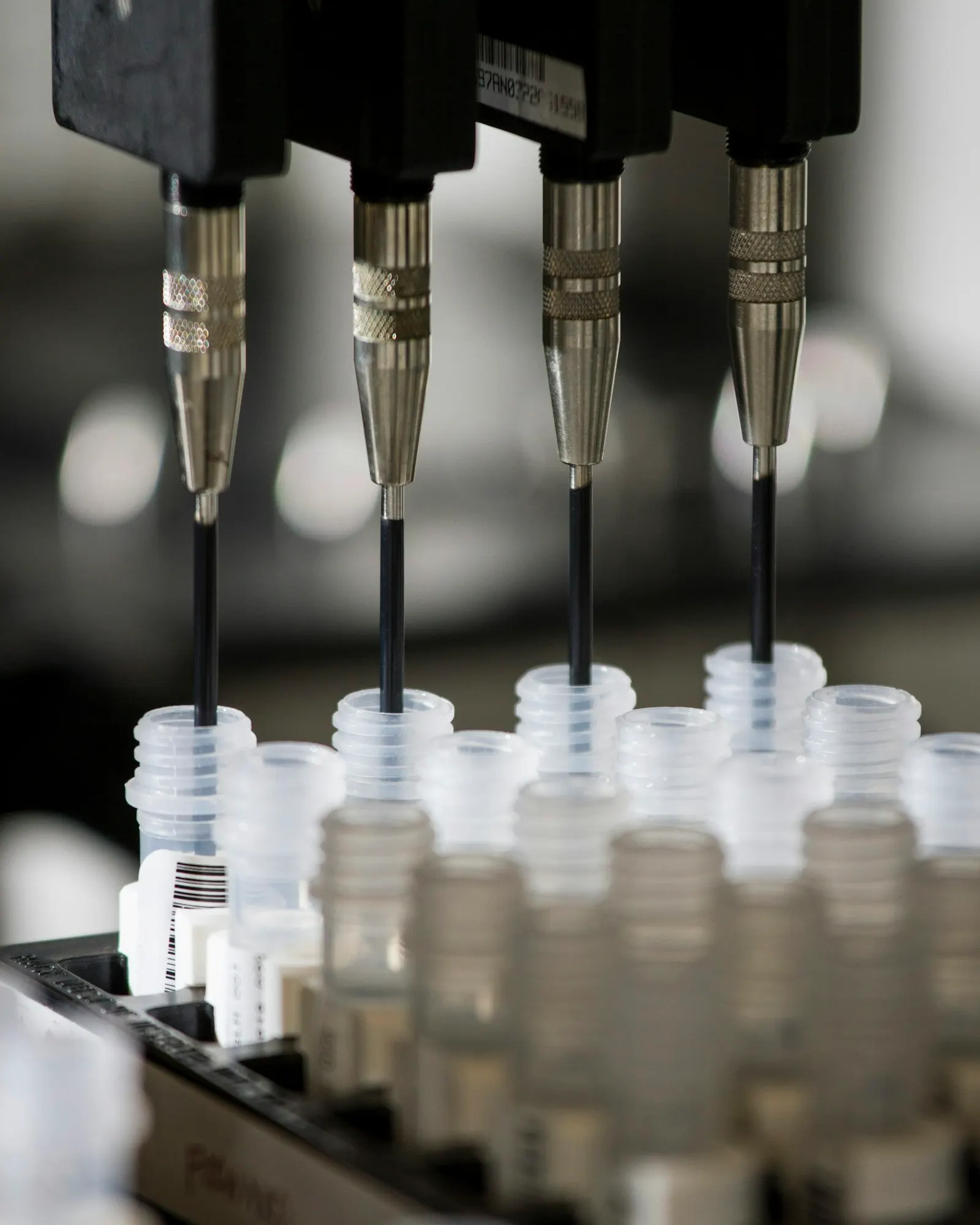
Peptides are short chains of amino acids that act as signaling molecules within the body. Different peptides communicate with different systems and may support areas such as recovery, metabolism, tissue repair, energy production, and overall wellness.
Deciding between the two growth hormone peptides? Compare sermorelin and ipamorelin.
Request a free assessmentA peptide used to support recovery of muscles, tendons, ligaments, joints, and connective tissue.
Explore BPC-157
BPC-157 and TB-500 combined to support healing after injury, surgery, or intense training.
Explore Wolverine Blend
Supports natural growth hormone production for recovery, lean muscle, sleep quality, and body composition.
Explore Tesamorelin / IpamorelinEncourages the pituitary gland to release growth hormone, supporting energy, recovery, and performance.
Explore Sermorelin
A coenzyme central to cellular energy, mental clarity, metabolism, and recovery.
Explore NAD+
A copper peptide supporting skin regeneration, collagen production, and healthier hair.
Explore GHK-Cu
A peptide that supports sexual wellness through the body's natural neurological pathways.
Explore PT-141Peptides are not shortcuts or miracle solutions. They are specialized compounds that work with the body's natural signaling systems to support specific biological functions.
Peptide therapy is often used by individuals focused on improving physical performance and recovery. The goal is not just aesthetics. It is improving how your body functions and recovers over time.
As the body ages, recovery, energy production, and tissue repair naturally slow down. Certain peptide therapies may help support healthier aging and long-term function when paired with proper lifestyle habits and medical oversight.
Some are daily, some are daily for a month and then paused for two weeks, some are weekly, and some are given every two weeks or once a month. Growth hormone peptides also need an IGF-1 level checked before and during treatment. You get your exact schedule in writing when Dr. Patel clears you to start.
Peptide therapy should always be approached responsibly and under qualified medical supervision. This ensures treatment remains safe, structured, and focused on measurable outcomes.
Yes. All programs are overseen by Dr. Bhavesh Patel, with ongoing monitoring to ensure safety, effectiveness, and proper adjustments over time.
All treatments are prescribed and monitored by a medical professional. Rx2BFIT prioritizes safe, clinically appropriate care based on your health history and goals.
Results vary depending on the individual and program, but many patients begin noticing changes in appetite, energy, and body composition within the first few weeks.
Yes. Rx2BFIT provides programs designed to improve strength, endurance, recovery, and overall physical performance, not just weight loss.
Start with an assessment. This allows Dr. Patel to evaluate your health, understand your goals, and build a personalized plan for weight loss, performance, and long-term health.
Our guide to which growth hormone peptide is right for you sets the two options side by side: sermorelin on its own, or ipamorelin paired with tesamorelin. Dr. Patel makes the final choice after your consultation and labs.

Your free assessment is the first step.
Last updated .