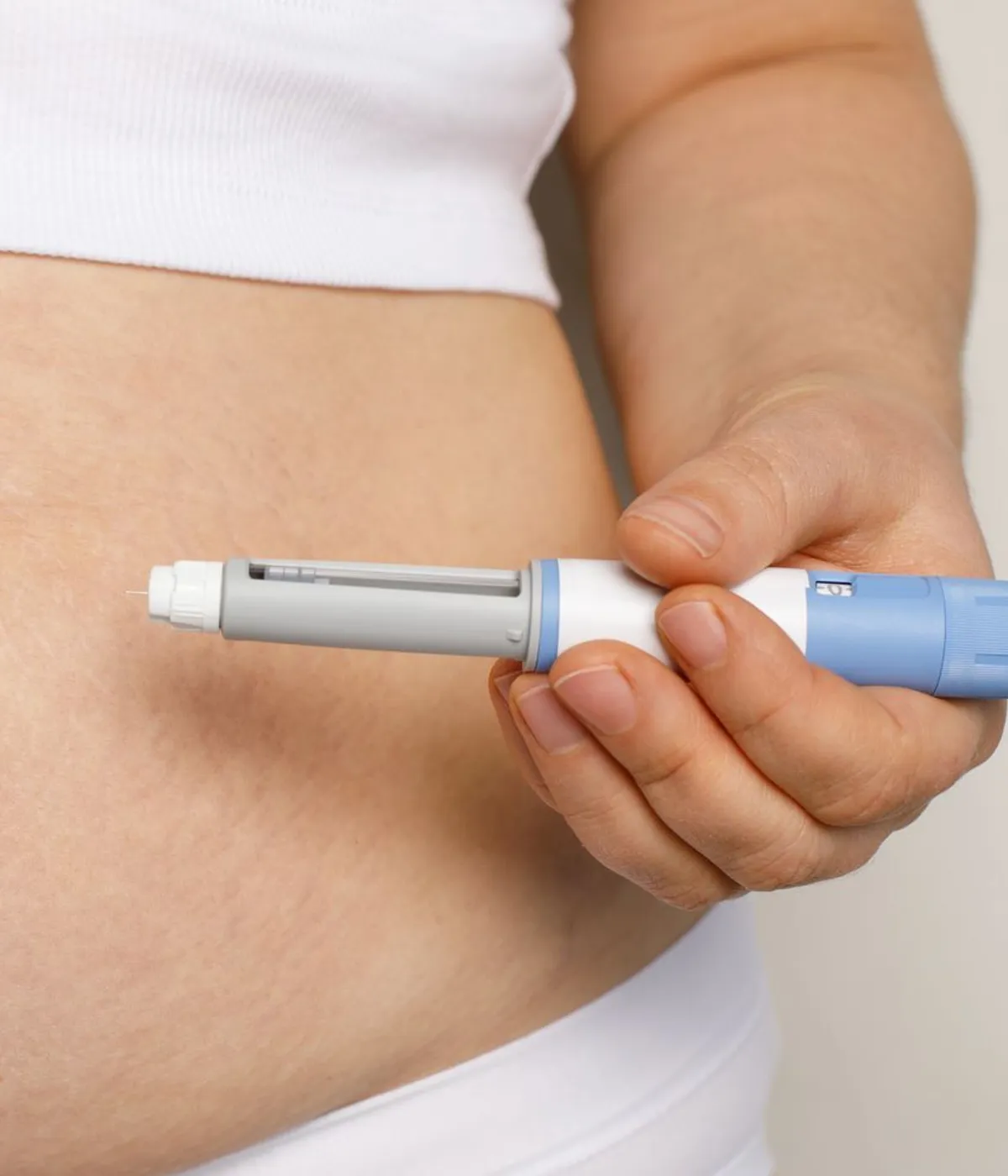
Stabilizes blood sugar while regulating appetite.
Explore SemaglutideMaybe a routine lab showed your blood sugar or A1C edging up, or your doctor has started using the word prediabetes. Often the weight has been just as hard to move, and the two are connected: both come back to how well your body responds to insulin. Rx2BFIT treats them together, with physician-guided medication built on the gut hormones your body already uses to manage blood sugar.
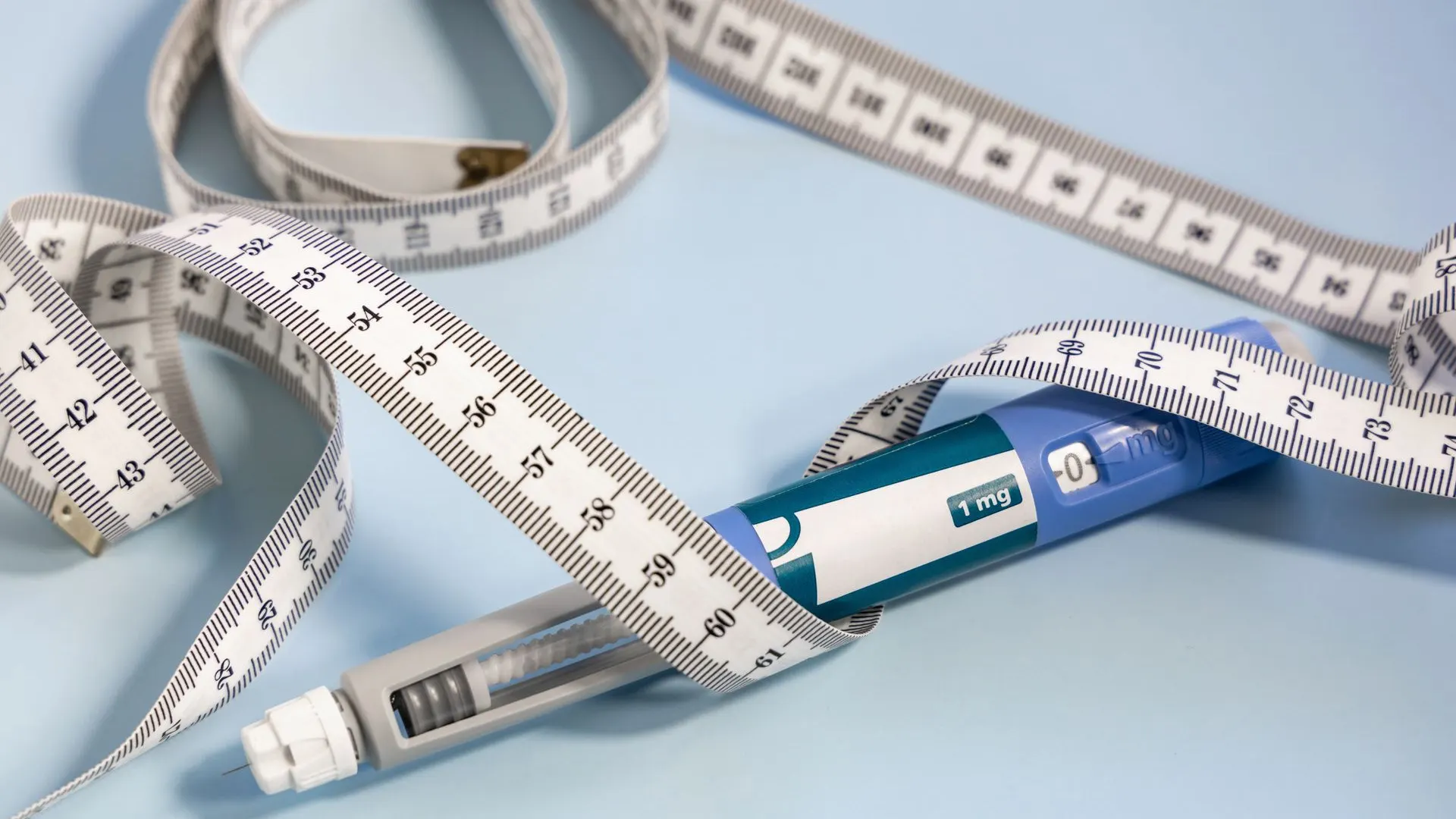
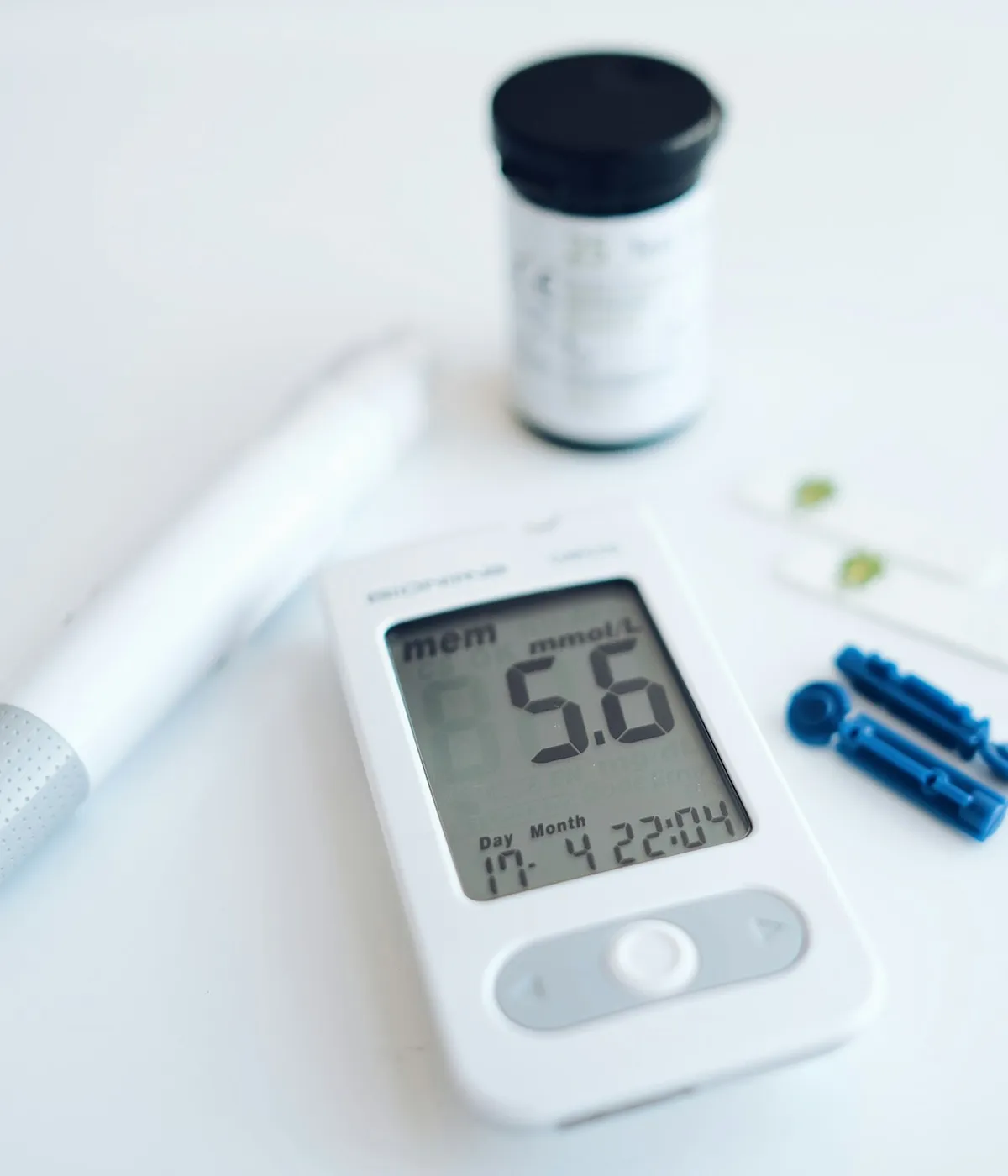
Insulin is the hormone that moves sugar out of your blood and into your cells. Insulin sensitivity describes how strongly your muscle, fat, and liver cells respond to a given amount of it. When that response weakens, the condition is called insulin resistance. It is a central feature of type 2 diabetes, and it is common in people carrying excess weight, often long before any diagnosis.
Your gut is part of the same system. When you eat, the intestine releases hormones called incretins, mainly GLP-1 and GIP. Their job is to tell the pancreas that food is arriving so it can release insulin in proportion to the meal. GLP-1 also turns down glucagon, the hormone that tells the liver to release stored sugar, and it acts on the brain so you feel full sooner.
The medications we use were originally developed for blood sugar management, and they work by imitating those hormones. They prompt insulin release when blood sugar is elevated and largely stop doing so when it is normal, which is why they rarely cause low blood sugar when used alone. They also reduce appetite, and the weight loss that follows improves insulin sensitivity in its own right. Weight and blood sugar are treated as one problem because, for most people, they are.
This is not a replacement for diabetes care you already have in place. If you take insulin or any other diabetes medication, Dr. Patel needs to know before anything is prescribed, because those doses may need to be reviewed.
Both are once-weekly injections from the same family. What separates them is how many hormone pathways each one acts on, and how much is known about each so far.
Semaglutide acts on GLP-1 alone. It boosts insulin release and reduces glucagon when blood sugar is high, slows how quickly the stomach empties, and quiets appetite. It has the longer track record of the two. In a large trial of adults with excess weight and existing heart disease but no diabetes, people taking it had fewer heart attacks, strokes, and cardiovascular deaths than people on placebo.
Tirzepatide acts on GLP-1 and GIP. In a 28-week study of adults with type 2 diabetes that measured insulin sensitivity directly, it improved more with tirzepatide than with semaglutide at a diabetes dose. In a three year trial of people with obesity and prediabetes, far fewer of those on tirzepatide went on to develop type 2 diabetes than those on placebo. Exactly how much the GIP half contributes is still being worked out, and some of the gain comes from the weight loss itself.
There is a real tradeoff here. In head-to-head trials tirzepatide has produced more blood sugar lowering and more weight loss than semaglutide. Semaglutide has been in use longer and currently has the stronger evidence for protecting the heart. Which matters more depends on your labs, your health history, and the medications you already take.
The common side effects are digestive: nausea, vomiting, diarrhea, or constipation, mostly while the dose is being stepped up. Low blood sugar is uncommon when these medications are used alone, but the risk is clearly higher if you also take insulin or a sulfonylurea. If you have diabetic eye disease you should be monitored, because a rapid improvement in blood sugar has been linked with temporary worsening. Anyone with a personal or family history of medullary thyroid carcinoma or MEN syndrome, a history of bowel obstruction, or an allergy to the medication should not take it at all, and Dr. Patel screens for each before prescribing.
The benefits last for as long as treatment does. In the largest follow-up study of people who stopped semaglutide, most of the blood sugar improvement was gone a year later, along with much of the weight loss. Our article on what happens when you stop taking semaglutide goes through the numbers. The best-supported ways to hold your progress are continuing treatment and building a structured exercise habit while you are still on it.
Bring your most recent lab work to the free assessment. A consultation is required to determine eligibility and the most effective treatment plan.

These are the two we consider when blood sugar and insulin sensitivity are part of the goal, and your labs, history, and current medications decide which one fits.
Start with a free assessmentStabilizes blood sugar while regulating appetite.
Explore SemaglutideThe pick when improved insulin sensitivity is a primary goal.
Explore TirzepatideFrom the blog
Tirzepatide activates both GIP and GLP-1 receptors. How that lowers appetite and blood sugar, the label dose schedule, trial results, and key risks.
Read the articleFrom the blog
Tirzepatide led to more weight loss than semaglutide in a head-to-head trial, but semaglutide has more heart outcome data. See the evidence side by side.
Read the articleRelated concern
A structured next step when diet and exercise stall
Explore the concern
Your free assessment is the first step.
Medically reviewed by Dr. Bhavesh Patel, D.O.. This page is for education and is not a substitute for a personalized medical consultation. Last updated .