

The one option here whose trials were built around visceral fat, in adults with HIV-related abdominal fat. Use outside that group is off-label.
Explore Tesamorelin / IpamorelinVisceral fat is the fat stored deep in the abdomen, packed around the liver, intestines, and other organs. It is not the fat under the skin that you can pinch, and it responds to overall fat loss, not to treating one spot. Training, nutrition, and sleep do most of the work. Rx2BFIT starts with an evaluation by Dr. Patel, then weighs whether a physician-guided medication belongs in your plan.
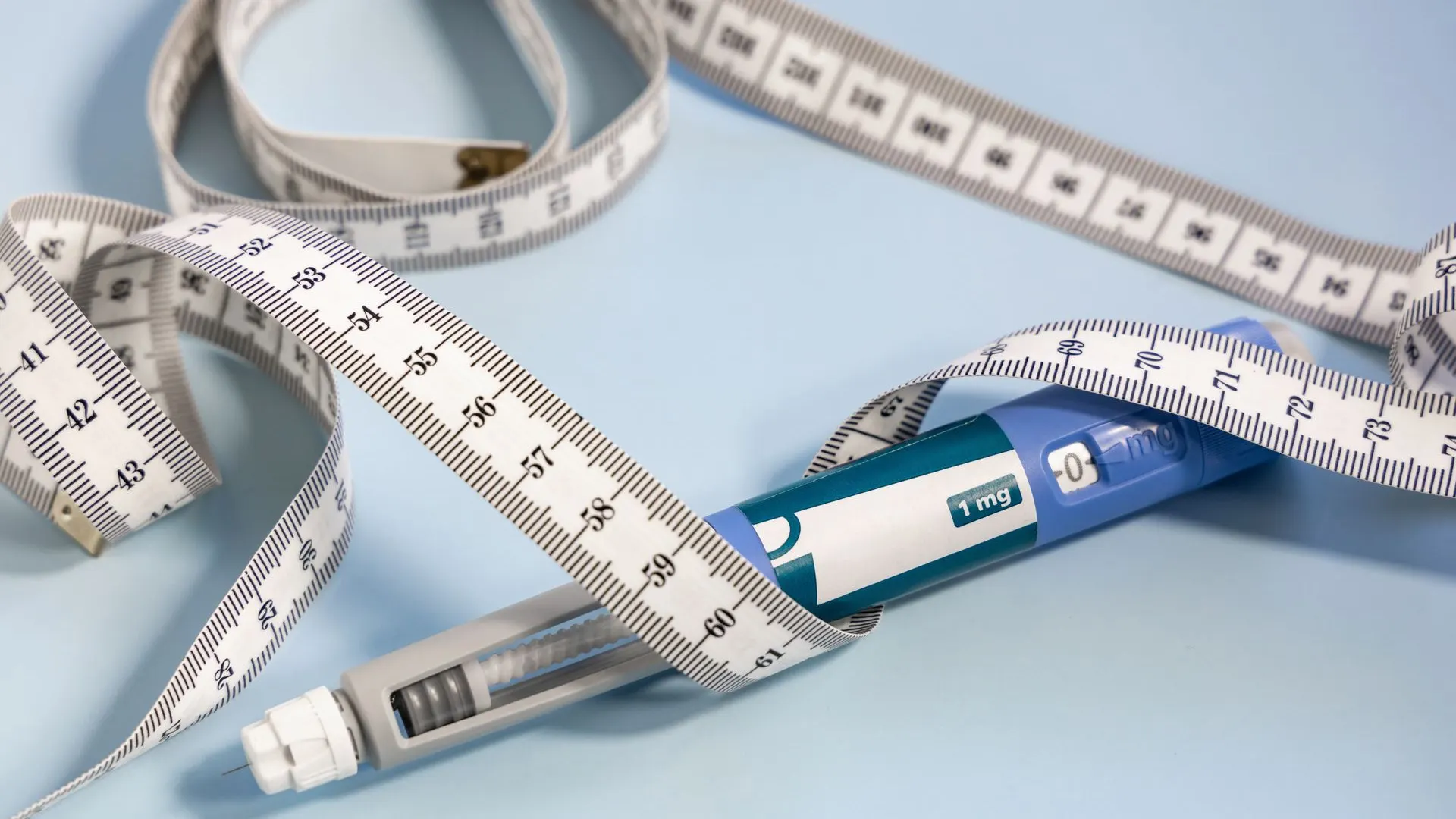
Two people can carry the same weight in very different places. Subcutaneous fat sits just under the skin at the waist, hips, and thighs. Visceral fat sits behind the abdominal wall, so a firm, protruding belly can be mostly visceral fat while a soft one is mostly subcutaneous. The two carry different risks.
A 2019 position statement that reviewed about 30 years of population research concluded that visceral fat, measured by CT or MRI, is an independent risk marker for cardiovascular and metabolic illness. Independent means the link holds after accounting for total body weight. In one study of 3,086 adults followed for a median of 5 years, each standard-deviation increase in visceral fat was associated with a 44 percent higher risk of cardiovascular disease.
It also travels with fat stored in places not built to hold it, the liver above all. That is why visceral fat, a fatty liver, and the insulin resistance behind rising blood sugar and metabolic health problems so often turn up together.
Two cautions keep this in proportion. These are observational studies: they show that visceral fat travels with disease, not that removing it with a drug prevents a heart attack. And a tape measure cannot tell visceral fat from the fat under the skin, so a waist measurement is a rough guide and not a diagnosis.
That is why the first step here is an evaluation with Dr. Patel, not a prescription. What you are treated with depends on your labs, your history, and where your weight actually sits.
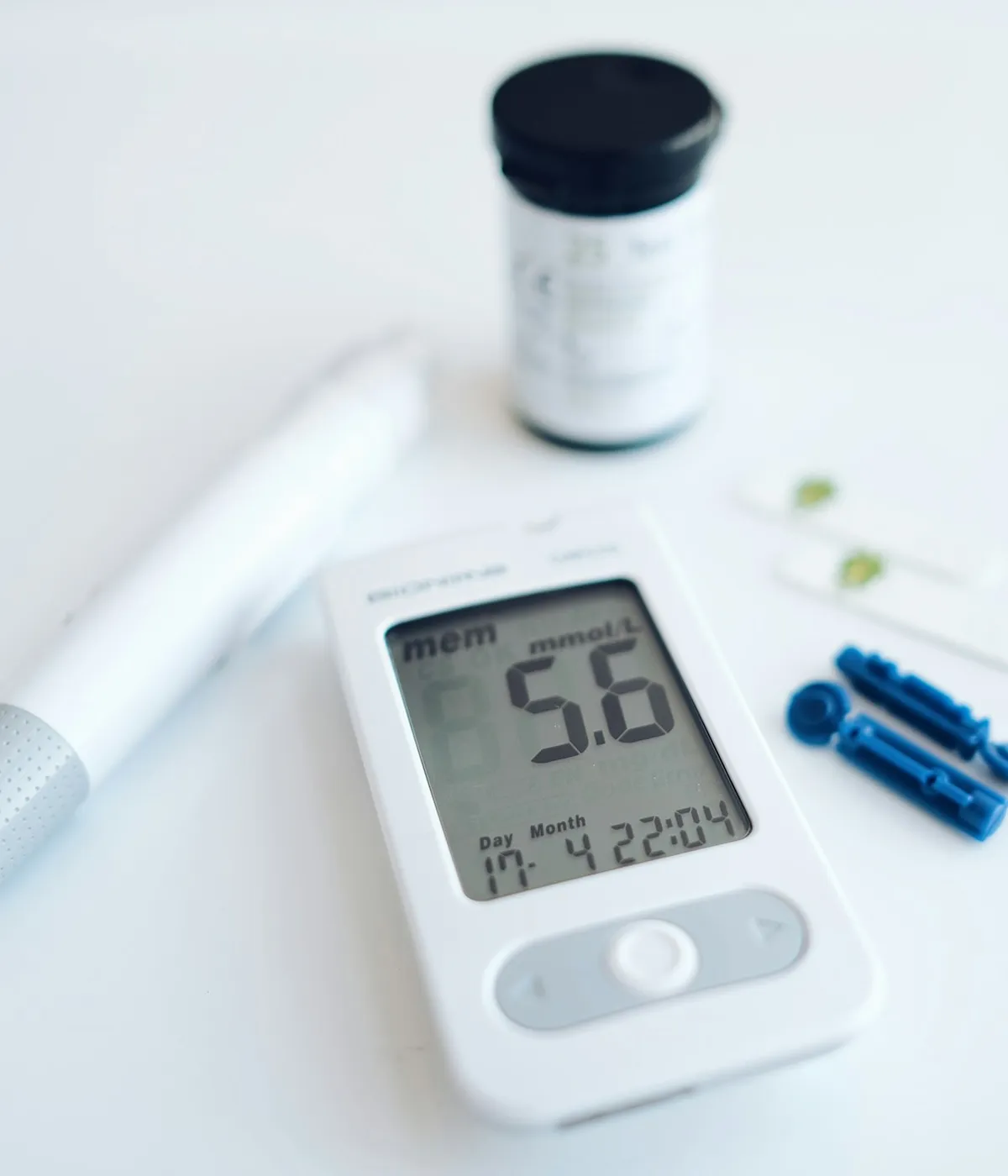
Habits come first, and they carry most of the load. Visceral fat responds to them better than the scale suggests, and every medical option further down this page is meant to work alongside them.
In a pooled analysis of 117 studies that measured visceral fat by imaging, exercise was linked to about a 6 percent drop in visceral fat even when body weight did not change. Keeping up resistance training also helps protect the muscle you want to keep.
A calorie-restricted diet produced more total weight loss than exercise in the same analysis, and visceral fat comes down as overall fat does. Part of any weight lost is lean mass, so eating enough protein matters as much as eating less.
Growth hormone is released in bursts, and the largest come during deep sleep. More deep sleep and less abdominal fat are each tied to higher natural growth hormone release, so the two tend to improve together.
The lesson in that research is that the scale is a poor marker of what is happening to visceral fat. Progress can be real before your weight moves.
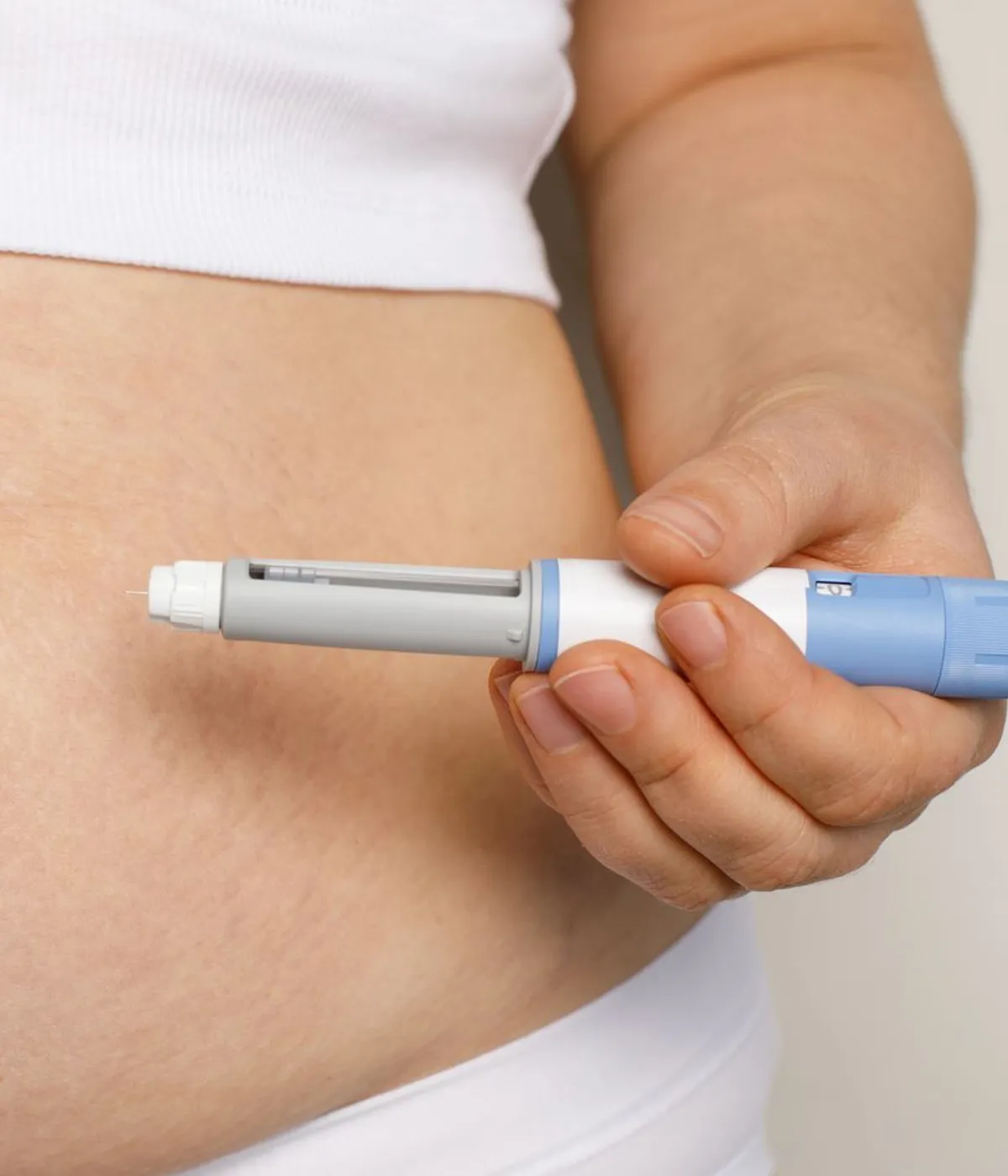
People often search for belly fat injections. The honest version is that three of the injectable treatments on our menu bear on abdominal fat, they work in two different ways, and none of them is a spot treatment.
Semaglutide and tirzepatide are once-weekly medications that lower appetite and calorie intake. They work on overall fat loss. In pooled trials of GLP-1 medications, visceral fat and the fat under the skin fell by similar amounts, in step with how much weight was lost. They are not selective for visceral fat, but they reduce it along with everything else.
Tesamorelin / Ipamorelin takes the other route. Both peptides prompt your body to release its own growth hormone. Of the three options, tesamorelin is the one whose trials were built around abdominal fat: in adults with HIV-associated lipodystrophy, its only FDA-approved use, it reduced visceral fat by about 14 to 18 percent over 26 weeks while body weight stayed about the same. Using it for abdominal fat in anyone else is off-label, and the evidence outside that group is limited. Ipamorelin is not FDA approved for any use, and the pairing itself has not been tested in a clinical trial. It may support fat distribution. It is not a weight loss drug.
Our article on whether tesamorelin reduces visceral fat goes through those trials, the side effects, and what happened when people stopped. No trial has compared tesamorelin with a GLP-1 medication or with a structured exercise program, so nobody knows whether it adds anything to what fat loss already delivers.
The choice follows the goal. If there is weight to lose overall, or blood sugar is part of the picture, a GLP-1 based medication usually makes more sense, because visceral fat will come down with the rest. If your weight is already close to where you want it and the concern is body composition, the conversation may turn to the growth hormone pairing instead.
Either way it starts with a free assessment and labs. For the GLP-1 medications that means screening labs before you start. For the growth hormone peptides Dr. Patel also checks an IGF-1 level, because they raise it, and repeats it with your monitoring labs about every six months.
Each option has limits. The GLP-1 family mostly causes digestive side effects, most often while the dose is being increased. Tesamorelin raises IGF-1 and can raise blood sugar, and it is not used in anyone with active cancer. Whatever is chosen, the benefit depends on continuing it and on the habits underneath it.
A consultation is required to determine eligibility and the most effective treatment plan. When you are ready, request a free assessment.
Three treatments on our menu, two that work through overall fat loss and one studied for visceral fat itself. Your evaluation and labs decide whether any of them fits.
Start with a free assessmentThe one option here whose trials were built around visceral fat, in adults with HIV-related abdominal fat. Use outside that group is off-label.
Explore Tesamorelin / IpamorelinAppetite control for overall fat loss, which is how visceral fat comes down for most people.
Explore SemaglutideDual-action support for greater overall fat loss when metabolic health is part of the picture.
Explore TirzepatideNo treatment on this page works on one spot. In the research, exercise, a calorie-restricted diet, and GLP-1 medications all lowered visceral fat as part of overall fat loss, roughly in line with the weight lost. Tesamorelin is the partial exception: in trials of adults with HIV-related abdominal fat it lowered visceral fat while the fat under the skin stayed about the same, but it acts through your own growth hormone across the whole body, not at the place it is injected.
It is a search phrase, not a medical term. On the Rx2BFIT menu, the injectables that bear on abdominal fat are semaglutide and tirzepatide, which lower appetite so that fat comes off across the body, and the Tesamorelin / Ipamorelin pairing, which prompts your own growth hormone release. All three are given under the skin, and none of them dissolves the fat beneath the injection site.
Only for one group. A branded tesamorelin product is FDA approved to reduce excess abdominal fat in adults with HIV-associated lipodystrophy, and its label says it is not indicated for weight loss. Use for abdominal fat in anyone else is off-label, and the supporting evidence outside HIV is a single 60-person trial. The tesamorelin Rx2BFIT uses is not that branded product, and ipamorelin is not FDA approved for any use.
Accurately, only by imaging. The clinical trials measured it on a CT scan as a cross-sectional area through the abdomen. Waist circumference is the everyday stand-in, but a tape measure cannot tell visceral fat from the fat under the skin, and a bathroom scale cannot see either one.
With tesamorelin, yes. In the phase 3 trials, people who were switched to placebo regained visceral fat, with increases of 16 to 22 percent within 26 weeks, while those who continued held their reduction. The investigators concluded that the effect lasts only as long as treatment does, which is one reason habits come first.
From the blog
Tesamorelin cut visceral fat about 14 to 18 percent in HIV lipodystrophy trials, without weight loss, and the fat returned after stopping. The evidence.
Read the articleRelated concern
A structured next step when diet and exercise stall
Explore the concernRelated concern
Treat the liver condition behind prediabetes and high cholesterol
Explore the concern
Your free assessment is the first step.
Medically reviewed by Dr. Bhavesh Patel, D.O.. This page is for education and is not a substitute for a personalized medical consultation. Last updated .